
Invisible Pool Fencing: Placement, Sightlines, and Code-Compliant Design
Design a Pool Fence That Almost Disappears
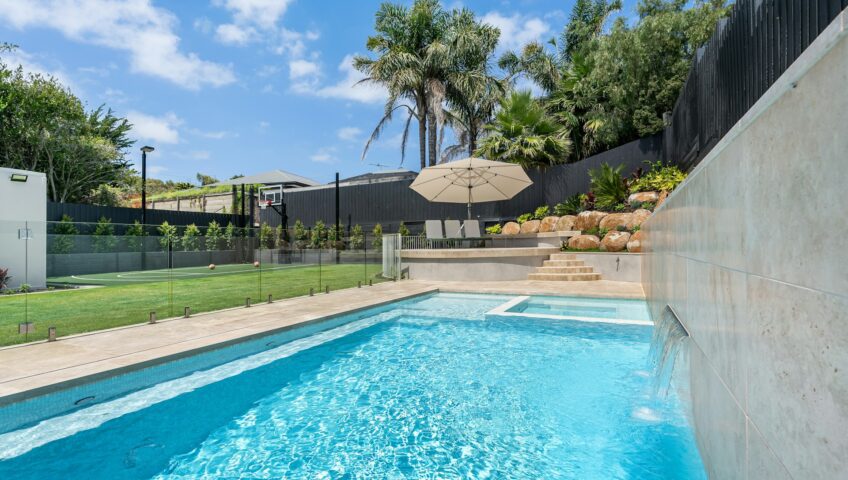
Modern pool fencing does not have to chop your backyard into little boxes. With the right design, the fence can quietly do its safety job while your eye goes straight to the water, the greenery, and the view. The fence should sit in the background, not be the main thing you notice every time you step outside.
Many backyards feel smaller because of bulky metal rails, thick posts and awkward fence lines that cut across decks and gardens. Swap that for clear glass, low-profile fittings and smart placement, and the whole space opens up. The pool feels like part of the living area, the garden feels deeper, and you still meet every safety rule.
That is what we mean by an “invisible” pool fence. It is not actually invisible, of course, but it reads as part of the architecture rather than a cage around the water. When we plan a fence like this, we think about sightlines, viewing angles and how the fence will line up with coping, decking and furniture so everything feels calm and ordered, not busy or bitty.
Mapping Sightlines Before You Choose a Fence
Before talking about glass types or hardware, it helps to understand where you will most often look at the pool. This is sightline mapping. It is as simple as standing in all the key spots and asking, “What do we want to see from here?”
Common viewing points include:
- Inside the kitchen, looking through the sliding doors
- The main outdoor table on the alfresco or deck
- The barbecue area where people tend to gather
- Any upstairs balcony that looks down to the pool and yard
From each of these spots, notice the natural “cone” of view. Do you want to look straight across still water? See the kids playing in the shallow end? Catch a glimpse of trees or distant hills? Once those priorities are clear, we plan fence lines that sit just outside those main cones, instead of slicing straight through them.
That might mean:
- Running the fence closer to the pool coping so it hugs the water edge
- Tucking the fence along the edge of a deck rather than through the middle
- Aligning the barrier tight to garden beds so planting softens the line
Seasonal use matters here too. On cooler days you may be inside more, looking out from the living room. In hotter months you are likely outside, moving between the pool, table and lounge chairs. Good sightline mapping considers both indoor and outdoor viewpoints, so the fence feels “right” no matter where you are standing.
Having a pool fencing specialist walk the property with you early can make a big difference. We look along those sightlines with you, point out where a post or panel might block a key view, and suggest small shifts in fence placement that keep things open while still giving safe access around the pool.
Frameless vs Semi-Frameless for a Clean, Modern Look
Once the layout is clear, the next big choice is the style of modern pool fencing. For an almost invisible feel, glass is the go-to, but there are two main ways to do it.
Frameless glass fencing uses full-height glass panels supported by small stainless steel spigots fixed to the ground or coping. There are no tall vertical posts, so your eye flows right across the glass. From many angles you mainly notice the reflections on the water, not the hardware. This style suits homes that already lean modern and minimal.
Semi-frameless glass fencing uses glass panels held by slim aluminium posts. Those posts can be colour matched to window and door frames, pergolas or existing balustrades. Done well, semi-frameless still feels light and architectural, not chunky. It often suits homes that already have aluminium detailing and gives a very tidy look at a slightly simpler level of build.
When we compare the two, we think about:
- How strong you want that “barely there” effect to be
- The style of the house, including balcony and stair details
- Existing aluminium colours around windows, doors and screens
- Site conditions and pool shape
Frameless glass is the most unobtrusive across most viewing angles. Semi-frameless, if the posts are slim and well aligned, can still give a very clean, modern result. In both cases, the goal is the same: keep the fence visually quiet, keep the view open and meet every safety requirement without a clinical feel.
Coordinating Fencing with Decking, Coping and Furniture
Even beautiful glass can feel messy if it fights with all the other lines in the backyard. A big part of making a pool fence feel invisible is lining it up with the hard surfaces and furniture that are already there or planned.
Simple tricks go a long way:
- Run glass panel joins in line with pool coping joints or paving lines
- Start and stop the fence along the edges of decks, not through the middle
- Keep gate positions aligned with main walking paths and doorways
When the fence follows the “logic” of the space, the eye reads one calm layout rather than lots of random breaks.
Hardware finishes matter too. Stainless, matte black and soft metallic tones all read very differently. Matching spigots, hinges and latches to:
- Outdoor furniture frames
- Door and window hardware
- Outdoor lighting
helps everything feel like one thought out scheme instead of mixed bits from different projects.
Furniture placement should work with the fence, not against it. Place main loungers and dining zones just outside the barrier but aligned to look across the pool, “borrowing” the view through the glass. On upper levels, glass balustrades that echo the pool fence make balconies and stairs feel lighter, and visually link the whole outdoor area.
All of this still has to be practical. Clear sightlines from the alfresco or living room back to the pool help with supervision. Planting and screens can sit in non-climbable zones just outside the fence to keep privacy from neighbours while still letting light and view through.
Why Installation Quality Makes Glass Feel Truly Invisible
The cleanest design can be spoiled by rough installation. If panels are out of level, gaps are uneven, or hardware is clunky, your eye will go straight to the faults instead of the view. In coastal and humid areas around Greater Brisbane and the Sunshine Coast, poor quality components can also stain or corrode and quickly become the first thing you see.
Quality installation focuses on:
- Careful measuring so fence lines are straight and consistent
- Accurate drilling and fixing so panels sit level and aligned
- Choosing suitable hardware that stays low profile but strong
Gate areas need special care. The latch must sit at the right height, the gate must self close and self latch every time, and the clearances have to meet code. All of this can be achieved without extra brackets and add-ons that make the fence look like a commercial barrier.
Glass quality and the right grade of fittings are just as important. Good glass stays clear and solid, and marine-grade metals handle humidity and coastal air better, so you are not looking at tea stains or rust spots. When finishes stay clean, the fence keeps that “barely there” effect for longer.
At Ambience Glass we focus on tidy workmanship, straight lines and discreet hardware so the fence protects the space without interrupting it. With sightline mapping, smart layout, the right choice between frameless and semi-frameless and careful coordination with coping, decking and furniture, a boxed in pool can turn into an open, architectural centrepiece for your backyard.
Get Started With Your Project Today
If you are ready to create a safer, more stylish pool area, we can help you plan the right design for your space and budget. At Ambience Glass, our team will guide you through options for modern pool fencing that complements your home and meets Australian standards. Talk to us about your ideas and we will provide clear, practical advice. Reach out today to start turning your pool area into a clean, contemporary feature of your backyard.
Recent Comments